
How AI-powered ERP helps distributors manage inventory, pricing, and fulfilment at scale.
ERP (Enterprise Resource Planning) systems help unify critical business operations into one connected ecosystem.
For wholesale distributors, this means integrating :
- Procurement
- Inventory management
- Warehouse operations
- Logistics
- Sales and order processing
- Financial management
- Supplier collaboration
- Customer data
When all business functions operate through a centralized platform, organizations gain real-time visibility, faster decision-making capabilities, and improved operational efficiency.
How SAP Is Transforming Wholesale Distribution
SAP solutions for wholesale distribution are designed to help businesses become more agile, resilient, and data-driven.
Key capabilities include:
Real-Time Inventory Visibility
Connect SAP and third-party applications through secure, scalable integrations.
SAP enables businesses to track inventory across warehouses, distribution centers, and sales channels in real time.
This helps distributors:
- Reduce stock-outs
- Minimize excess inventory
- Improve replenishment planning
- Increase order accuracy
Intelligent Warehouse Management
Modern warehouse operations require speed and precision.
SAP solutions support:
- Automated warehouse workflows
- Barcode scanning and tracking
- Inventory optimization
- Faster picking and packing processes
- Better warehouse utilization
These capabilities improve fulfillment speed while reducing operational errors.
AI-Driven Forecasting and Demand Planning
Turn enterprise data into actionable insights.
One of the biggest advantages of modern ERP systems is predictive intelligence.
SAP uses AI and analytics to help distributors:
- Forecast demand more accurately
- Predict supply chain disruptions
- Optimize procurement planning
- Respond faster to market changes
Instead of reacting to problems after they occur, businesses can proactively plan ahead.
Unified Financial and Operational Data
Disconnected systems often create reporting inconsistencies and delayed business insights.
SAP centralizes operational and financial data, enabling leadership teams to:
- Monitor profitability in real time
- Improve cash flow visibility
- Analyze performance faster
- Make more confident business decisions
Business Outcome: Increase productivity, reduce errors, and improve process efficiency.
The Shift From Reactive to Intelligent Distribution
The wholesale distribution industry is moving away from reactive operations toward intelligent, data-driven ecosystems.
The businesses gaining competitive advantage today are the ones that can:
- Make faster operational decisions
- Improve supply chain visibility
- Automate repetitive processes
- Adapt quickly to market disruptions
- Deliver better customer experiences
In many ways, operational intelligence is becoming more valuable than operational scale itself.
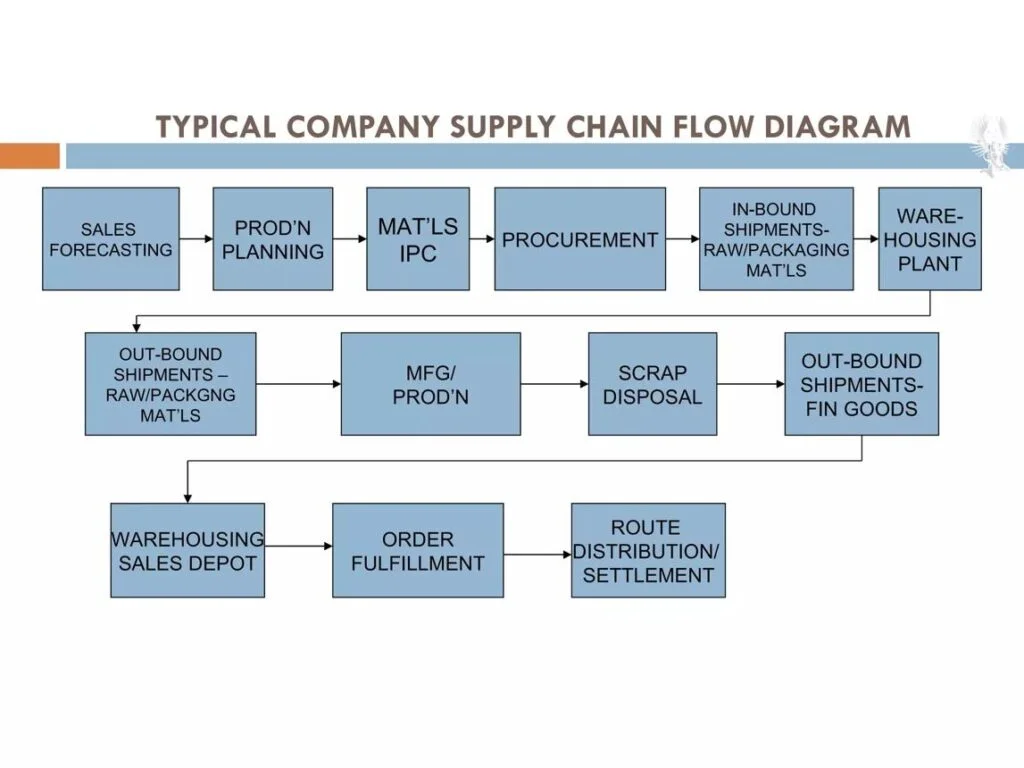
Traditional Distribution Model
Procurement → Warehouse → Sales → Finance → Logistics (All operating separately)
Intelligent ERP-Driven Distribution Model
Procurement ↔ Inventory ↔ Warehousing ↔ Logistics ↔ Finance ↔ Customer Operations
(All connected through a unified ERP ecosystem)
Why Wholesale Distributors Need to Act Now
The distribution industry is becoming increasingly competitive.
Businesses that continue operating with fragmented systems may struggle with:
- slower decision-making
- rising operational costs
- reduced inventory accuracy
- poor customer experiences
- limited scalability
How Keyush Helps Businesses Modernize Distribution Operations
At Keyush Consulting, we help organizations implement intelligent SAP-driven enterprise solutions designed to improve operational visibility, scalability, and supply chain efficiency.
Our focus is not just ERP implementation — but enabling businesses to build connected, future-ready operations.
Because the future of wholesale distribution will belong to businesses that are:
- agile
- data-driven
- automated
- customer-centric
- operationally intelligent
Final Thoughts
Wholesale distribution is evolving rapidly.
The companies that will lead the next decade are not necessarily the largest distributors — but the ones with the smartest operations.
Modern ERP platforms like SAP are helping distributors move from fragmented workflows to connected, intelligent ecosystems capable of scaling efficiently in an increasingly complex market.